What is skin laxity?
Skin laxity, also known as cutaneous laxity, is an aesthetic concern caused by the loss of skin elasticity and tone. It manifests as a soft, relaxed, and often sagging appearance of the tissues, particularly evident on the abdomen, arms, thighs, buttocks, face, and neck. This phenomenon can occur naturally with advancing age but can also result from significant weight loss, chronic sun exposure, smoking, or lack of physical activity.
Flaccid skin is not only an aesthetic issue: it also affects the person’s perception of their own body, especially when loss of tone is visible in uncovered areas. Skin laxity affects both men and women and can appear as early as after age 30, but it is particularly pronounced after 45-50 years or following major weight changes.
From an anatomical point of view, laxity is caused by a reduction in collagen, elastin, and hyaluronic acid in the dermis. Weakening of the underlying musculature and loss of adipose tissue can also accentuate skin sagging. It is important to distinguish skin laxity from excess skin: while the former is due to relaxation, the latter may require more invasive surgical removal.
Understanding exactly what this imperfection is represents the first step to addressing it effectively, by evaluating personalized and targeted solutions, from aesthetic medicine to plastic surgery.
Causes of flaccid skin
The causes of skin laxity are multiple and often concurrent. The main triggering factor is the natural aging process, which reduces the production of collagen and elastin. These two structural proteins are essential for maintaining compact and toned skin. With age, the dermis thins and tissues lose their cohesion.
Another common cause is rapid weight loss. Following drastic diets, bariatric surgery, or intense physical activity, the skin may not adapt quickly enough to the new body shape, leaving sagging and empty areas such as arms, abdomen, and thighs.
Lack of physical exercise also contributes: toned muscles help support the skin. When the musculature is weak, cutaneous tissue sags more easily. Other important factors include:
- Excessive sun exposure, which degrades collagen fibers;
- Cigarette smoking, which compromises tissue oxygenation;
- Chronic dehydration, which makes the skin less elastic;
- Genetic factors, which influence the quality of connective tissue.
Finally, pregnancy and hormonal changes can also contribute to flaccid skin, particularly on the breasts and abdomen. Intervening promptly with targeted treatments can prevent worsening of the imperfection.
Non-surgical treatments for skin laxity
For those who wish to improve cutaneous laxity without resorting to surgery, advanced, effective, and safe medical-aesthetic technologies are now available. At Pallaoro Medical Laser, only methods with real clinical evidence are selected.
Among the most requested treatments is RF microneedling (fractional radiofrequency with needles). This approach stimulates fibroblasts in depth, promoting the production of new collagen and improving skin tension after just a few sessions.
Another highly appreciated option is the fractional laser, indicated for facial, neck, and décolleté laxity. The laser works by heating the dermis without damaging the epidermis, stimulating natural and progressive remodeling.
The use of PRP biostimulation (platelet-rich plasma) or tensile hyaluronic acid infiltrations can complete the protocol, especially in young patients or in the prevention phase.
The therapeutic path is always personalized. After a specialist consultation, the optimal combination can be defined to firm the skin without a scalpel.
Aesthetic surgery for flaccid skin: when it is indicated
When skin laxity is marked and associated with excess skin, the most effective solution is represented by aesthetic lifting surgery. The procedure varies depending on the affected body area.
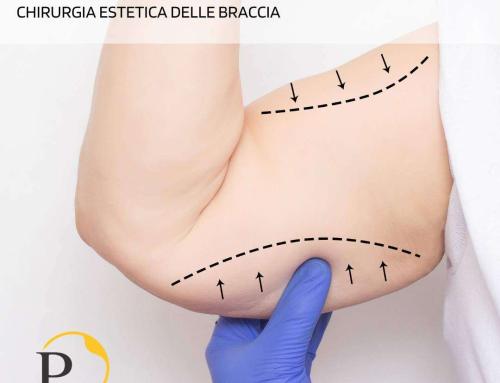
In the case of the abdomen, one can resort to abdominoplasty, which removes sagging skin and repositions the muscular wall. For relaxed arms, the indicated treatment is brachial lifting (brachioplasty), while for the inner thighs a crural lifting is performed.
On the face, the facelift is the most resolutive procedure for sagging cheeks, jawline, and neck. The procedure restores volumes and repositions tissues, giving a rejuvenated and natural appearance.
Surgery is performed on a day hospital basis or with a short hospital stay, depending on the extent of the treatment. Recovery times vary from 7 to 20 days, with visible and long-lasting results.
At Pallaoro Medical Laser, every procedure is performed with the utmost respect for safety and patient expectations. The result? Toned, harmonious skin free of excess, with a significant impact also on body perception.
Expected results, things to know, and post-treatment advice
The result of a treatment for skin laxity depends on several factors: severity of the imperfection, patient age, residual skin elasticity, and consistency in following post-treatment instructions.
In non-invasive treatments, improvement is progressive and visible after 2-3 sessions, but the full effect is appreciated after a few months. After surgical lifting, on the other hand, the change is immediate, with stable results for several years.
Among the main recommendations:
- Follow a healthy lifestyle, with a balanced diet and constant hydration;
- Avoid smoking and excessive sun;
- Maintain muscle tone with regular exercise;
- Use firming cosmetics as support;
- Respect post-operative check-ups and follow-up appointments.
It is important to know that surgery can be combined with non-invasive technologies to optimize the result and maintain skin tone longer. At Pallaoro Medical Laser, the therapeutic plan is always customized and updated over time.